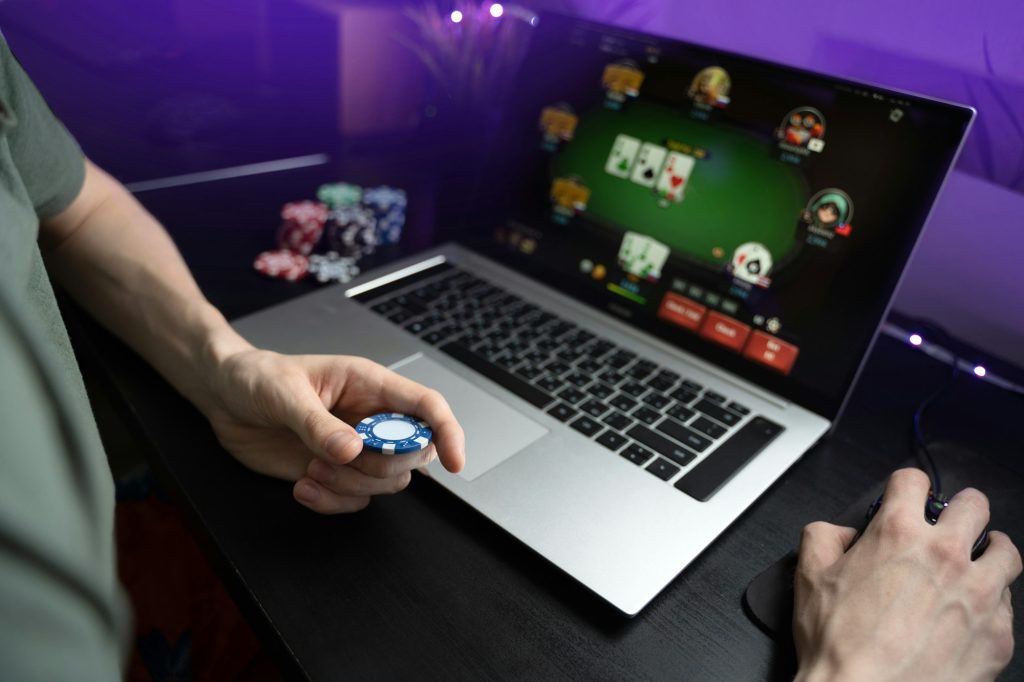
Poker is one of the most popular card games worldwide, loved for its blend of skill, psychology, and luck. Whether you’re looking to play for fun or to make a serious career out of it, understanding the fundamentals is key to getting started. Here’s a guide to help beginners learn how to play poker and start their journey.
1. Understanding the Basics of Poker
Before diving into the various forms of poker, it’s important to understand the general rules. The game is typically played with a standard 52-card deck. The goal is to make the best possible five-card hand from a combination of your two hole cards and the community cards dealt on the table.
The hand rankings, from highest to lowest, are:
- Royal Flush: A, K, Q, J, 10, all of the same suit.
- Straight Flush: Five consecutive cards of the same suit.
- Four of a Kind: Four cards of the same rank.
- Full House: Three cards of one rank and two cards of another.
- Flush: Five cards of the same suit, but not in sequence.
- Straight: Five consecutive cards of mixed suits.
- Three of a Kind: Three cards of the same rank.
- Two Pair: Two pairs of cards of the same rank.
- One Pair: Two cards of the same rank.
- High Card: When none of the above combinations are made, the highest card wins.
2. The Most Popular Poker Variants
Poker comes in many variations, but the two most popular versions are Texas Hold’em and Omaha.
Texas Hold’em:
In Texas Hold’em, each player is dealt two private cards (known as “hole cards”), and five community cards are dealt face-up in the middle of the table. Players combine their hole cards with the community cards to make the best hand.
The game has four betting rounds:
- Pre-flop: After the hole cards are dealt.
- Flop: Three community cards are dealt.
- Turn: The fourth community card is dealt.
- River: The fifth and final community card is dealt.
The player who can form the best five-card hand from their hole cards and the community cards wins.
Omaha:
Omaha is similar to Texas Hold’em, but with a few key differences. Players are dealt four hole cards, and five community cards are dealt. To form a hand, players must use exactly two of their hole cards and three community cards. This makes Omaha a bit more complex but equally exciting.
3. Poker Strategy for Beginners
While poker involves an element of luck, strategy plays a huge role. Here are some tips to get you started:
Learn to Fold:
One of the most important skills for a beginner is knowing when to fold. You don’t need to play every hand. If you have a weak hand, it’s often better to fold rather than risk more money.
Play Tight and Aggressive:
In the early stages, it’s best to play only strong hands and bet aggressively when you do. This strategy is often called “tight-aggressive” and can help minimize your losses while building your chip stack.
Pay Attention to Position:
Position refers to where you are sitting at the table in relation to the dealer. Players who act later in a hand (closer to the dealer button) have more information than those who act earlier. Being in a later position allows you to make more informed decisions.
Bluff Smartly:
Bluffing is a crucial part of poker, but it should be done wisely. The goal of bluffing is to make your opponents believe you have a stronger hand than you actually do. However, it’s important to avoid bluffing too often, as experienced players can catch on to your strategy.
4. Online Poker: Getting Started
One of the easiest ways to start playing poker is by trying out online poker rooms. Online poker allows you to play from the comfort of your own home, and many sites offer free play or low-stakes games for beginners.
Popular Online Poker Rooms:
- PokerStars: PokerStars is one of the largest and most popular online poker rooms globally. It offers a wide variety of games, including Texas Hold’em, Omaha, and Seven Card Stud. It also hosts regular tournaments, such as the PokerStars World Championship of Online Poker (WCOOP).
- 888poker: 888poker is another excellent site for beginners. It has a user-friendly interface and offers a variety of games and tournament formats. It’s known for having a large player base, which can make it easier for beginners to find games.
- PartyPoker: PartyPoker is well-established and offers a wide range of cash games and tournaments. It’s known for its promotions and bonuses, making it an appealing option for new players.
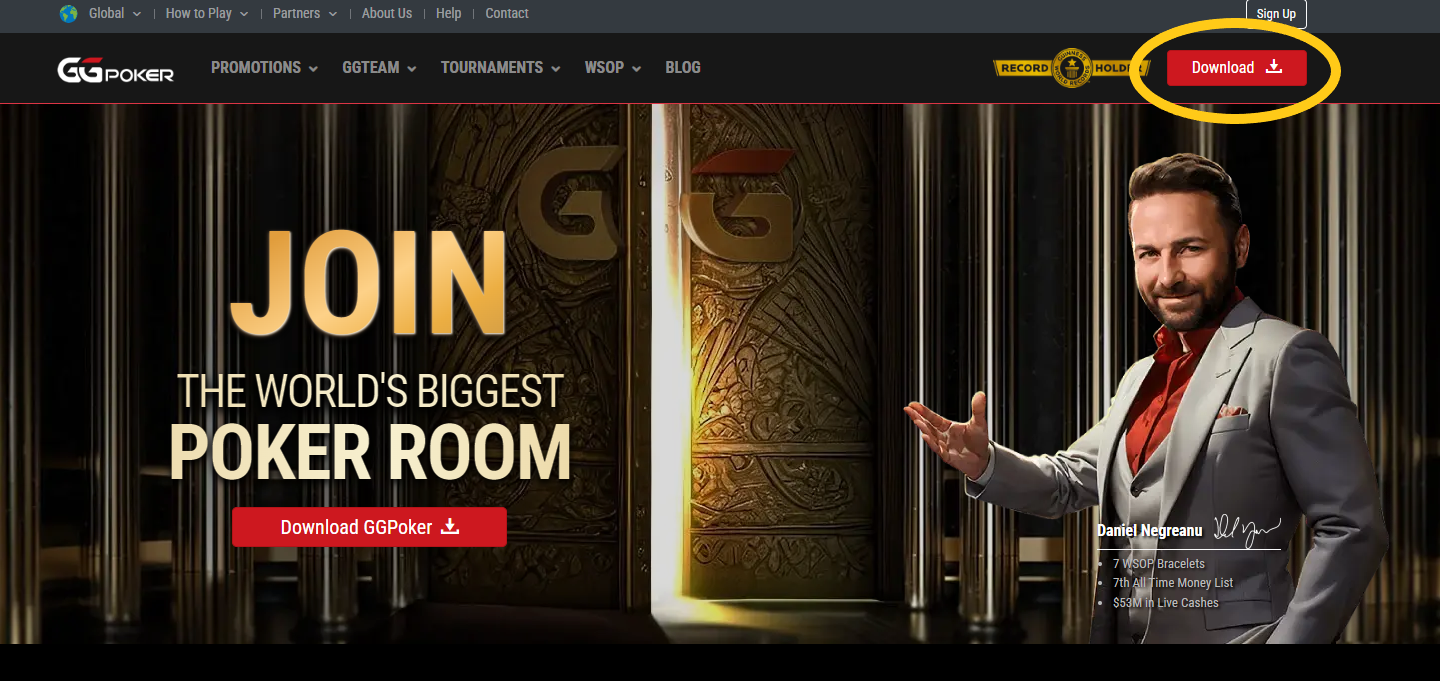
- GGPoker: GGPoker has gained popularity in recent years and hosts several major online tournaments, including the WSOP Online series. The platform offers a wide variety of games and stakes, as well as excellent software and features like “smart betting.”
- BetOnline Poker: BetOnline offers a comprehensive poker room with a variety of poker games, as well as frequent tournaments. The site also accepts a wide range of payment methods, including cryptocurrencies, which makes it an attractive option for players looking for flexibility.
When starting out, it’s best to play at lower stakes tables to minimize risk. Many online poker rooms also offer free play options, allowing beginners to practice without spending any real money.
5. Key Tips for Online Poker Beginners
- Start with Free Games: Many poker rooms offer free play or low-stakes games, so start there to get a feel for the game before risking real money.
- Understand the Betting Structure: Online poker often uses a bet structure such as No-Limit, Pot-Limit, or Fixed-Limit. Understanding these will help you know how much you can bet in each round.
- Don’t Rush: Take your time making decisions. Online poker can be fast-paced, but it’s important to think through your moves.
6. The Social Aspect of Poker
While poker is a competitive game, it is also very social. In live poker games, players often engage in friendly banter, read each other’s behaviors, and share tips. Online poker also allows players to chat with others, though it’s usually more focused on gameplay.
Understanding poker etiquette is crucial, whether you’re playing online or live. This includes respecting others at the table, not engaging in distractions, and being mindful of betting times.
7. Conclusion
Poker is a thrilling and challenging game that requires both strategy and skill. As a beginner, start by learning the rules, understanding basic strategies, and practicing in low-stakes games. Whether you’re playing online or live, there are plenty of opportunities to develop your skills and enjoy the game.
Stay patient and keep learning – poker is a lifelong journey with endless possibilities.