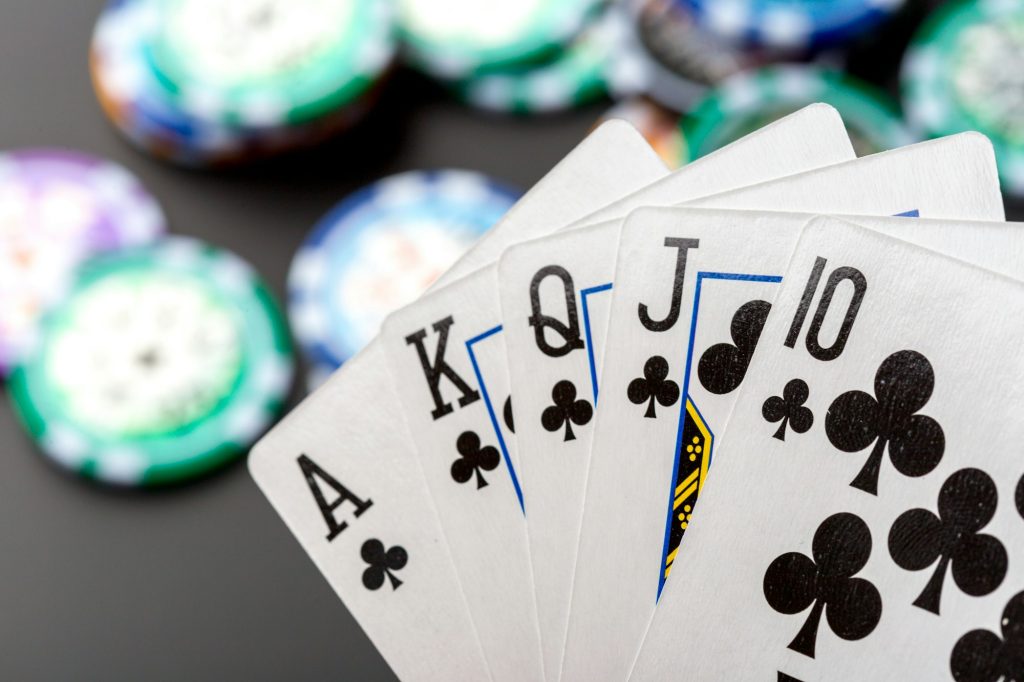
Poker is a thrilling game of strategy, skill, and psychology, enjoyed by millions worldwide. However, it’s also a game where beginners often make mistakes that can significantly impact their success at the table. Understanding and avoiding these common pitfalls is crucial for any aspiring poker player who wants to improve their skills and increase their chances of winning. Below, we explore five of the most common mistakes made by beginner poker players.
1. Playing Too Many Hands
One of the most common mistakes beginner poker players make is playing too many hands. When starting out, players often become overly excited by the idea of being involved in every hand, thinking they can win with any combination of cards. As a result, they end up playing too many weak hands, which leads to unnecessary losses.
In poker, patience is a virtue. The best players know when to fold and wait for a strong hand. A good rule of thumb for beginners is to play only premium hands (such as pocket aces, kings, queens, ace-king) and occasionally some suited connectors or small pairs in position. By narrowing the scope of hands you play, you increase the likelihood of making a strong hand and avoid putting yourself in difficult situations where you’re forced to bluff or make risky plays.
2. Overvaluing Starting Hands
Another mistake beginners make is overvaluing their starting hands. Many new players get attached to the strength of their initial cards, especially if they have high-ranking cards like an ace or king. However, a hand like ace-7, for example, is still a weak hand and should not be played aggressively just because it contains an ace.
Beginner players also tend to be overly optimistic about hands that have potential but are not strong enough to bet on heavily, such as suited connectors or low pairs. While these hands can sometimes win big pots if they hit a favorable board, they should be played with caution, especially in early positions or against multiple opponents. Overvaluing hands like these often leads to poor decisions and expensive mistakes. It’s essential to assess the overall strength of a hand in the context of the situation at the table, not just based on the face value of the cards.
3. Failure to Adjust to Opponents
Poker is not just about the cards you’re dealt; it’s also about reading your opponents and adjusting your strategy accordingly. One of the biggest mistakes beginners make is failing to pay attention to how their opponents are playing. This results in a “one-size-fits-all” approach, where beginners don’t change their strategy based on the flow of the game or the behavior of others at the table.
To be successful, beginners must observe their opponents’ betting patterns, tendencies, and playing styles. For example, if an opponent is playing aggressively, you might want to tighten up your range of hands and wait for strong opportunities to counter-attack. Conversely, if you notice an opponent is playing passively, you can often take control of the pot with more frequent bets and raises.
Learning how to read your opponents is a crucial skill that separates the best players from the rest. It can take time to develop, but beginners who pay attention to these dynamics will have a much better chance of succeeding in the long run.
4. Ignoring Position
In poker, your position at the table can significantly impact the strength of your decisions. Position refers to where you sit in relation to the dealer and the order in which players act during the hand. Being in an early position means you act first, while being in a late position gives you more information about what other players are doing before you make your move.
Many beginners overlook the importance of position and make the mistake of playing aggressively or loosely even when they’re in early position, where the odds are stacked against them. A hand like king-queen may seem strong, but if you’re first to act in a hand with many players still to come, you’re better off folding or playing more cautiously. Conversely, when you’re in a later position, you can play a wider range of hands and make more informed decisions based on the actions of others.
Position is one of the most fundamental concepts in poker, and understanding how to use it to your advantage can make a huge difference in your overall success. Beginners who don’t respect position often find themselves in tricky situations with weak hands that are hard to navigate.
5. Bluffing Too Much
Bluffing is one of the most exciting and crucial aspects of poker, but it’s also one of the most frequently misused tactics by beginners. Many new players fall into the trap of bluffing too frequently, believing it’s the only way to win pots. They might try to bluff their way out of sticky situations, even when the board doesn’t support their hand or when they haven’t built any credibility with their opponents.
Bluffing should be used strategically, and only in the right situations. It’s most effective when your opponents are likely to fold weak hands, and when you have a story to tell through your betting pattern. Bluffing on a dry board where no one has likely made a strong hand is a more effective tactic than bluffing into a board that has already hit several players’ hands. Furthermore, beginners often forget to vary their bluffing strategy. If you bluff too much, your opponents will catch on and start calling you down with weak hands.
To become a successful bluffer, it’s essential to know when to bluff, how often to bluff, and when to back off and play a more conservative hand. Timing and understanding your opponents’ tendencies are key to successful bluffing.
Conclusion
Poker is a complex game that requires strategy, patience, and discipline. By avoiding these five common mistakes, beginner players can greatly improve their chances of success and develop a solid foundation for advancing their skills. Playing too many hands, overvaluing starting hands, failing to adjust to opponents, ignoring position, and bluffing too often are all mistakes that can easily be corrected with practice and awareness.
To be successful in poker, you must develop a strategic approach that takes into account the cards, the players, and the ever-changing dynamics of the game. By honing your skills and avoiding these common mistakes, you’ll be well on your way to becoming a more formidable and consistent poker player.
GET A FREE $100 TO START FROM GGPOKER AND START YOUR POKER ADVENTURE